
Anxiety, Depression & Emotional Health
Parents often struggle to tell the difference between normal teen stress and something more serious. Anxiety, depression, and other emotional health issues do not always show up as obvious sadness. They can look like irritability, constant worry, headaches, avoidance, shutdown, loss of interest in friends, or harsh negative beliefs about the self.
What makes this confusing is that many of these behaviors overlap with ordinary adolescence. The key is to look at patterns over time and at the bigger picture of how your child is functioning—in school, with sleep, with friends, with activities, and in the way they talk about themselves. The resources on this page are designed to help you recognize the warning signs, respond with empathy instead of panic, and know when it may be time to get outside support.
Most Helpful Videos
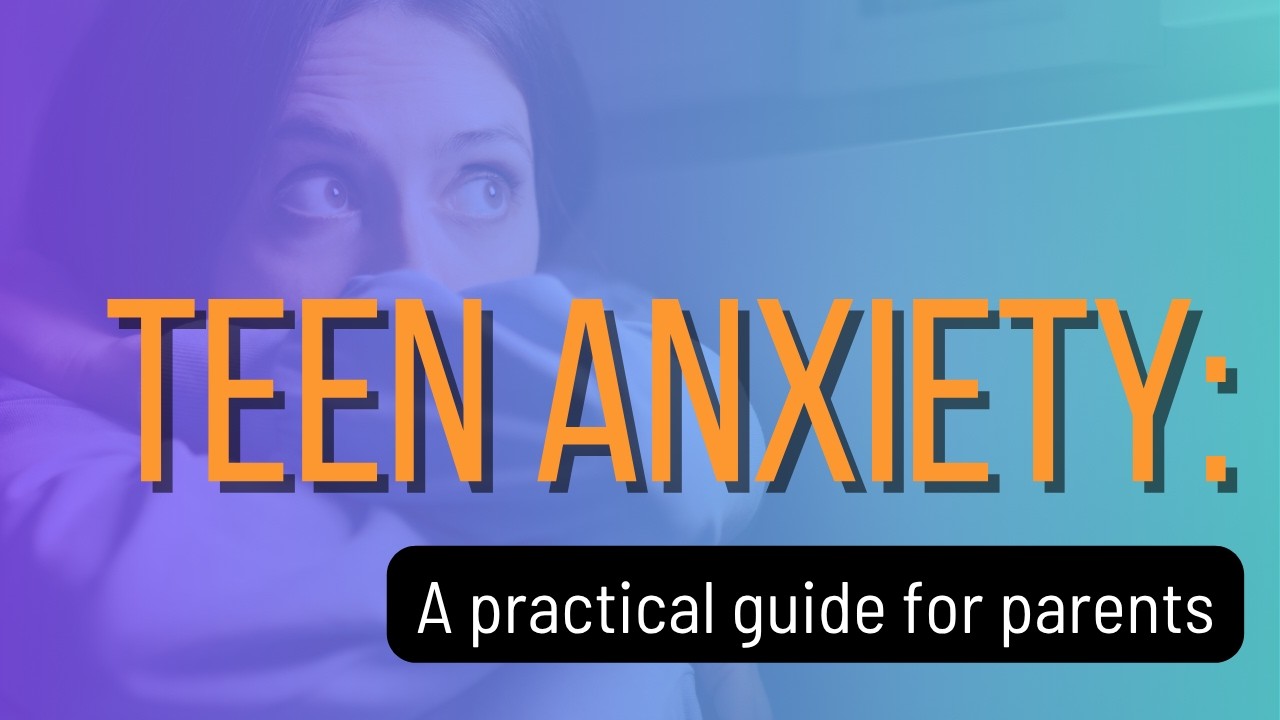
Teen Anxiety: What Parents Need to Know and What Actually Helps
Anxiety rarely gets better when adults try to reason it away. What helps most is empathy, calm support, and the daily habits that build real resilience over time.
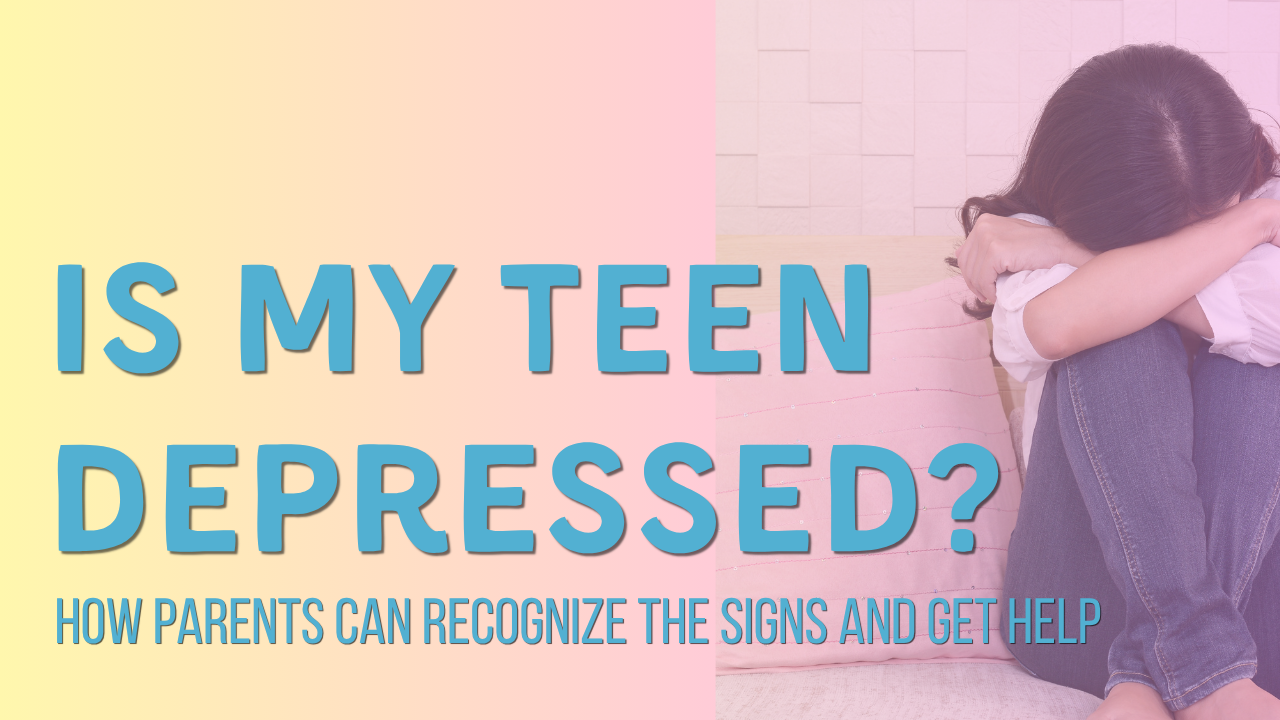
Is My Teenager Depressed? How Parents Can Recognize the Signs and Get Help
If you’ve been watching your teenager withdraw from friends, lose interest in things they used to love, or just not seem like themselves, this video is for you. Teen depression is more common than most parents realize, and most depressed teenagers never get help because nobody recognized what was happening.

Teen Anxiety, Social Media, and Pressure: A Guide for Parents
Today’s teens are carrying academic pressure, comparison, body-image stress, and online validation all at once. Understanding those forces helps parents respond more effectively.
Most Common Problems
Most families who land on this page are dealing with one of three patterns: a child who seems chronically worried or overwhelmed, a teen who is turning harshly against themselves, or a young person who feels flat, shut down, or depressed. Start with the section that sounds most like your child right now.
Anxiety, Fear & Overwhelm
Some kids worry about one thing. An anxious kid often worries about everything. The most helpful first step is not telling them to calm down or explaining why they are fine. Anxiety is an emotional problem, so it responds best to emotional solutions: empathy, calm support, and practical ways to help your child feel safer and more in control. These resources can help you tell the difference between normal stress and anxiety that needs more support.
Related Videos:
Negative Self-Talk & Low Self-Worth
When a teen says they are ugly, worthless, or hopeless, parents naturally rush in with reassurance. Unfortunately, arguing with the content usually misses the pain underneath it. These resources focus on what helps more: compassion, validation, and guiding teens toward experiences that build competence, confidence, and a stronger sense of self.
Related Videos:
Depression, Indifference & Mood Changes
Depression does not always look like sadness. It can look like fatigue, irritability, apathy, flattened emotion, or a teen who suddenly stops caring about things that used to matter. These resources explain how to look at the big picture—school, sleep, friendships, interests, and overall functioning—so you can tell the difference between ordinary moodiness and a deeper emotional struggle.
Related Videos:
More About Anxiety, Depression and Emotional Health
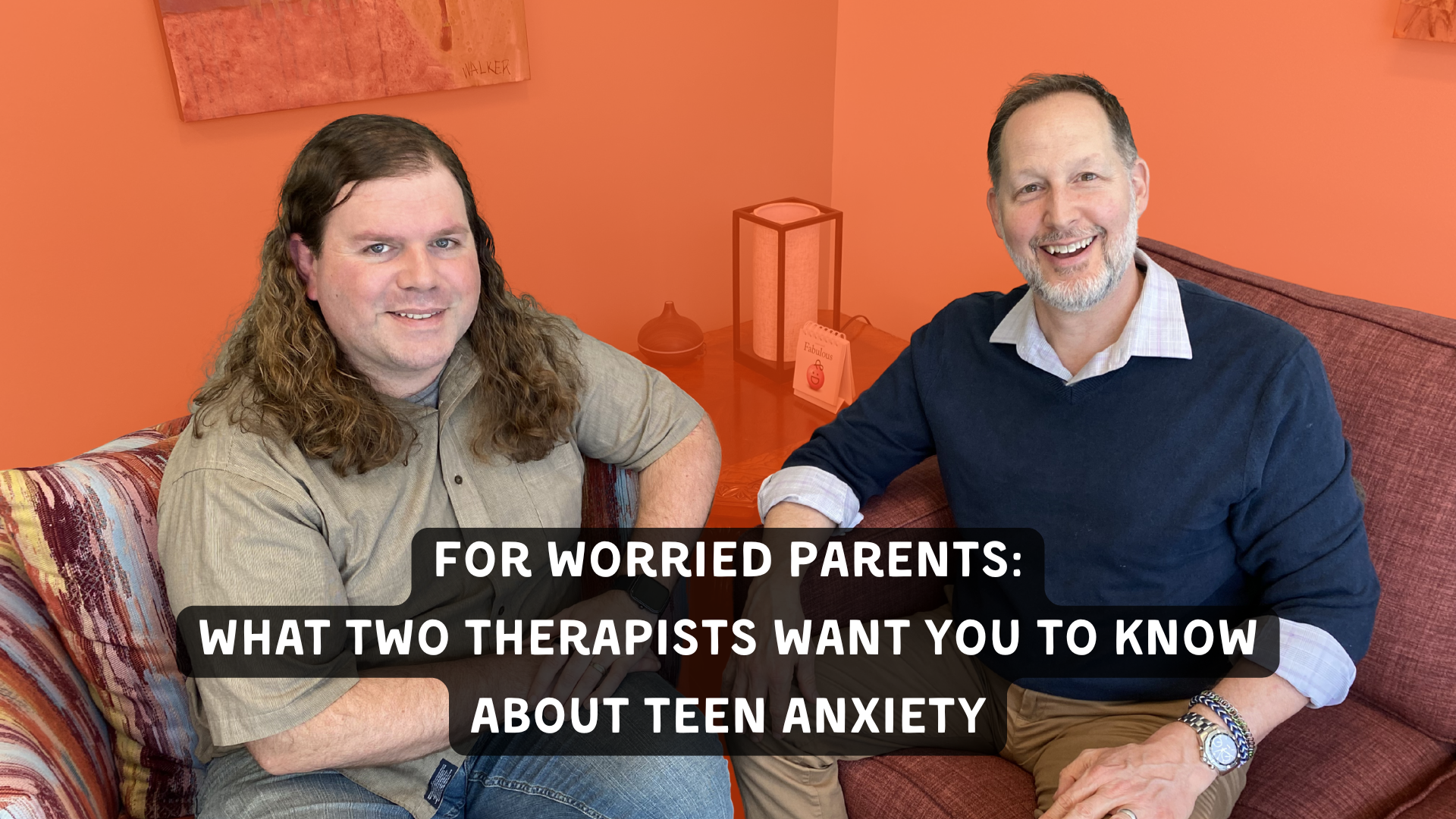
Teen Anxiety and Depression: What Two Therapists Want Parents to Know
When anxiety and depression start shaping everyday life, parents often feel powerless. This conversation focuses on the pressure teens are under and the kinds of support that actually help.
Should You Consider Antidepressants for Your Teenager? A Therapist's Perspective
Medication can be life-changing for some teens, but it should be discussed with the right prescribing specialist and with a clear plan around safety, monitoring, and side effects.
How Do You Motivate a Depressed Child to Take a Role In Their Emotional Health?
You cannot shame a depressed teen into taking action. What helps is a balance of safety, compassionate limits, and steady connection.
FAQs About Anxiety, Depression
Some teens worry about one event. An anxious teen often worries across many parts of life at once—school, friends, appearance, performance, and the future. If the worry is constant, causes physical symptoms, or makes daily life harder, it’s worth treating it as more than ordinary stress.
Look at the bigger picture, not just one bad night. Moodiness is common in adolescence, but a meaningful decline in sleep, energy, school performance, friendships, interests, or basic functioning points to something deeper that deserves attention.
Do not rush to debate the words or talk them out of the feeling. Start with compassion. Let them know you can see they are hurting, stay emotionally close, and then help them move toward support, treatment, and experiences that build confidence.
Medication can be helpful for some teens, but that decision should be made with a pediatric psychiatrist or psychiatric nurse practitioner, ideally in collaboration with your teen’s therapist. Ask about side effects, monitoring, alternatives, and what success or concern would look like.
If your child seems persistently anxious, withdrawn, hopeless, or emotionally overwhelmed, you do not have to guess your way through it alone. Therapy can help your teen feel understood, build healthier coping skills, and reconnect with school, family, and life.
Need Help with your Teen?
If your child seems persistently anxious, withdrawn, hopeless, or emotionally overwhelmed, you do not have to guess your way through it alone. Therapy can help your teen feel understood, build healthier coping skills, and reconnect with school, family, and life.