
How to Communicate With Teens and Set Healthy Boundaries
Communication with teenagers changes during adolescence. A child who used to tell you everything may suddenly answer in grunts, avoid eye contact, or act like every question is a problem. That distance can feel personal, but much of it is often part of normal development. Parents still have to set limits, respond to disrespect, and keep family life functioning. The goal is not to force closeness or win every argument. The goal is to stay steady, keep the relationship intact, and create boundaries your teen can actually live with. Check out our videos on this and other topics.
Most Helpful Videos

My Teen Won't Talk to Me
When a teen goes quiet, the first question is not how to make them talk. It is whether this is normal adolescent distance or a sign that something deeper is going on.

Apologizing to Your Kid: Should You Do It?
A real apology does not weaken your authority. It repairs trust, lowers defensiveness, and models the accountability you want your child to learn
Parenting a Rebellious Teenager: How to Set Limits and Stay Connected
With rebellious teens, boundaries still matter—but connection matters just as much. The goal is not only compliance, but a relationship your teen can come back to.
Most Common Problems
Communication problems with teens usually show up in a few familiar patterns: conflict over rules, emotional shutdown, and tension that spreads through the rest of the household. Start with the section that sounds most like your family.
Boundaries & Discipline
Teens need boundaries, but they rarely respond well to limits delivered in the middle of a fight. These resources explain how to set rules you can actually enforce, stay calm when your teen gets confrontational, and remember that connection is what gives a boundary its power.
Related Videos/Blogs:
Communication & Shutdown
When a teen stops talking, parents often respond with more questions, more advice, or more pressure. That usually backfires. These resources focus on keeping the door open, showing interest in your teen’s world, and creating conversations that feel safe enough for honesty.
Related Videos/Blogs:
Sibling /Household Conflict
When one child feels overlooked, siblings start bullying each other, or adult anger begins setting the tone at home, communication problems spread fast. These resources cover sibling rivalry, household anger, and how to respond without picking sides or escalating the emotional temperature.
Related Videos/Blogs:
More Videos and Blogs Communication & Boundaries

My Teenager Has Become Obnoxious and Rude. Is This Normal?
Obnoxious behavior is often a rough shell around feelings a teen cannot yet express well. Parents help most by modeling the maturity they want to see.
If your teen tells you what they think you want to hear instead of the truth, shame and panic will only close them down more. Acceptance makes honesty safer.
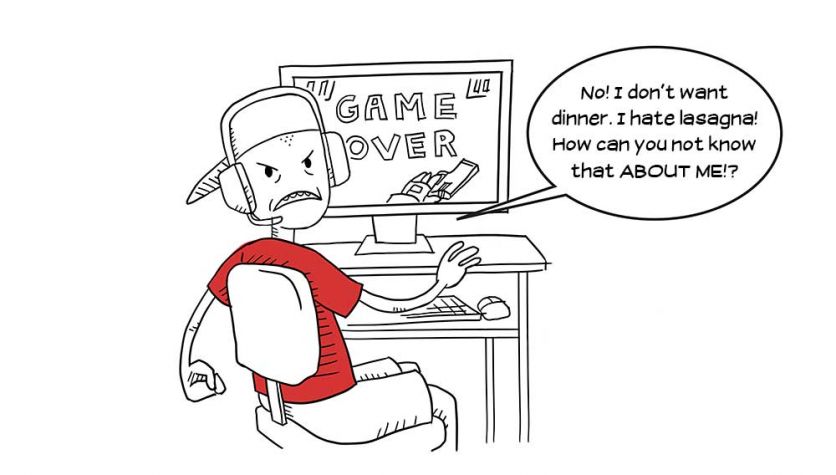
Missing the Sweet Child Your Teen Used to Be
It is normal to miss the affectionate child your teen used to be. Accepting that loss helps you better meet the teenager who is actually in front of you now.
Why You Need to Play Catch With Your Kids
Low-pressure time together matters. Shared play and simple rituals build the trust, belonging, and self-worth that make later conversations easier.
Bickering Kids: The Healthy Way To Resolve Conflict
Constant bickering is not just noise—it is a chance to teach empathy, calm communication, and compromise. The goal is not a winner, but a better family pattern.
When Is It Okay to Check Up on Your Teen?
Before you check the phone or room, ask whether there are real danger signs—or just the understandable discomfort of your teen needing more privacy.
FAQs
Parents dealing with shutdowns, conflict, and disrespect often ask the same questions. Here are concise answers to the concerns we hear most often.
Pulling away is often a normal part of adolescence. If school effort, friendships, and interests are still intact, focus on patient connection rather than forcing a big talk. If you also see falling grades, withdrawal from friends, or loss of interest, look more closely for anxiety, depression, or another struggle.
Lead with interest, not interrogation. Create low-pressure moments—dinner, car rides, walks, or shared hobbies—and show that you can listen without immediately correcting, advising, or turning the talk into a lecture.
Set limits outside the heat of conflict, make sure the rules are enforceable, and aim for discussion instead of argument. The stronger the connection outside conflict, the easier it is for a teen to work with you inside it.
Yes. A sincere apology is not weakness or defeat. It repairs the relationship, takes ownership of your side of the conflict, and models the kind of accountability you hope your child will eventually practice too.
If you have a real safety concern, parents may need to step in. But if the issue is mainly normal distancing, start by building connection without violating trust. Privacy and independence are part of healthy adolescence.
Need Help with your Teen?
If communication at home feels stuck, therapy can help. We work with teens, parents, and families to reduce conflict, improve understanding, and rebuild the kind of connection that makes healthier boundaries possible.
Related Parenting Topics
Teen Anxiety, Depression & Emotional Health
Learn how to tell the difference between normal stress and something bigger, and how to respond when your teen is overwhelmed.
School, Motivation & Executive Function
Support your teen with procrastination, school refusal, disorganization, and day-to-day follow-through without constant power struggles.
Screen Time, Gaming & Social Media
Get practical guidance for device conflicts, gaming overload, and the online habits that can quietly drive family tension.
Teen Relationships, Dating & Sexuality
Help your teen navigate friendships, dating, breakups, identity questions, and the strong emotions that often come with them.