
School, Motivation & Executive Function
If your child is smart but unmotivated, constantly late, overwhelmed by homework, or falling into daily battles around school, it is easy to assume the problem is attitude. In our work, we usually see something more complicated.
A lot of what gets labeled as laziness or lack of responsibility is actually rooted in executive function challenges, learning differences, ADHD, anxiety, burnout, social stress, or a path that simply is not the right fit for that child at that moment. When parents can slow down and look beneath the behavior, they are much more likely to respond in a way that helps.
On this page, we’ve gathered some of our most helpful videos about school struggles, motivation, homework, extracurriculars, college pressure, and the everyday challenges of helping kids grow into independence. Our goal is to help you stay grounded, stay connected, and make decisions that support both your child’s development and your relationship with them.
Most Helpful Videos

My Kid Keeps Quitting Activities: How to Support Your Child's Extracurriculars
We talk with a lot of parents who feel stuck between wanting their child to follow through and not wanting every activity to turn into a fight. In this video, we help you think through why kids quit, how screens and motivation can complicate things, and how to support commitment without over-coaching or taking over.

How to Support Your Neurodivergent Teen: A Parent’s Guide for 2e Families
If you are worried your neurodivergent or twice-exceptional teen is too narrow in their interests, we want to help you zoom out. In this video, we talk about why leaning into strengths often works better than forcing “well-roundedness,” and how that approach can build confidence, maturity, and real long-term motivation.

How to Support Your Teen With Learning Disabilities
When your teen is being evaluated for dyslexia, ADHD, or another learning difference, it can feel confusing fast. In this video, we walk you through how to stay patient, support the evaluation process, and make sure your teen feels loved, understood, and bigger than the struggle.
Most Common Problems
These are some of the school-related problems parents bring to us most often. Across all of them, we encourage you to look beneath the surface. What looks like laziness, defiance, or avoidance is often a sign that your child is struggling with something real and needs a more thoughtful kind of support.
My Child Seems Disorganized, Distracted, or Constantly Behind
When a child is always forgetting things, taking forever to get started, melting down over routines, or falling apart when demands pile up, the issue may not be effort. Executive function challenges, attention issues, sleep, screen use, neurodivergence, and learning differences can all interfere with planning, focus, initiation, and follow-through.
We encourage parents to resist the urge to turn this into a character issue. The goal is not to shame your child into doing better. The goal is to understand what is getting in the way, make reasonable supports available, and protect the relationship while they build skills over time.
Related Videos:
Homework and Chores Are Turning Into Daily Power Struggles
Homework and chores can easily become the place where every family tension gets acted out. Parents want responsibility. Kids want relief, freedom, and connection with friends. Before you double down, it helps to ask whether your expectations are realistic, whether the rules are actually enforceable, and whether your child has any voice in the plan.
What usually works best is a mix of clarity, collaboration, compassion, and room for imperfection. We are not trying to create a perfect child. We are trying to create a structure that helps your child do better over time without making school and responsibility the center of your whole relationship.
Related Videos:
School Pressure and Future Pressure Are Starting to Take Over
Some kids respond to pressure by getting more perfectionistic and anxious. Others shut down, procrastinate, or act like they do not care. Parents often feel trapped between pushing harder and backing off altogether, especially when college applications, launching, or big decisions are around the corner.
One of the strongest themes in our videos is that there is no single “right” path. Community college, a gap year, slower launches, different schools, work experience, and changing direction can all be healthy paths depending on the teen. Sometimes the most helpful thing a parent can do is reduce panic, widen the lens, and stay connected while helping their child figure out what truly fits.
Related Videos:
More Videos About School, Motivation and Executive Functioning

Should Teens Get Summer Jobs?
We like summer jobs when they help teens grow, build confidence, and follow through on commitments. In this video, we talk about how to tell whether your teen is avoiding out of fear, how to encourage responsibility, and how to push with empathy instead of pressure.

My Teen Won't Do Homework: Is It Worth the Fight?
We know homework can take over family life if you let it. In this video, we offer a more balanced way to think about homework, including why your relationship with your child matters more than perfect grades and how to set realistic limits around the struggle.
My Child Struggles With Executive Functioning: What Parents Need to Know
If your teen is always late, always scrambling, and always promising it will be different next time, this one is for you. In this video, we explain why time management is developmental, how natural consequences can help, and how to hold boundaries without doing all the managing for them.

Extracurricular Activities and Your Kid
We do think kids benefit from doing something outside of school, but that does not mean forcing the exact activity you had in mind. In this video, we help you explore what is behind your child’s resistance and guide them toward something that builds confidence, agency, and connection.

Applying to College: The Myth of "The Good School"
A lot of families get swept up in the pressure to get into a “good school,” even when no one has slowed down to define what that really means. In this video, we help you pull back the prestige pressure and focus on fit, purpose, and the path that actually makes sense for your teen.
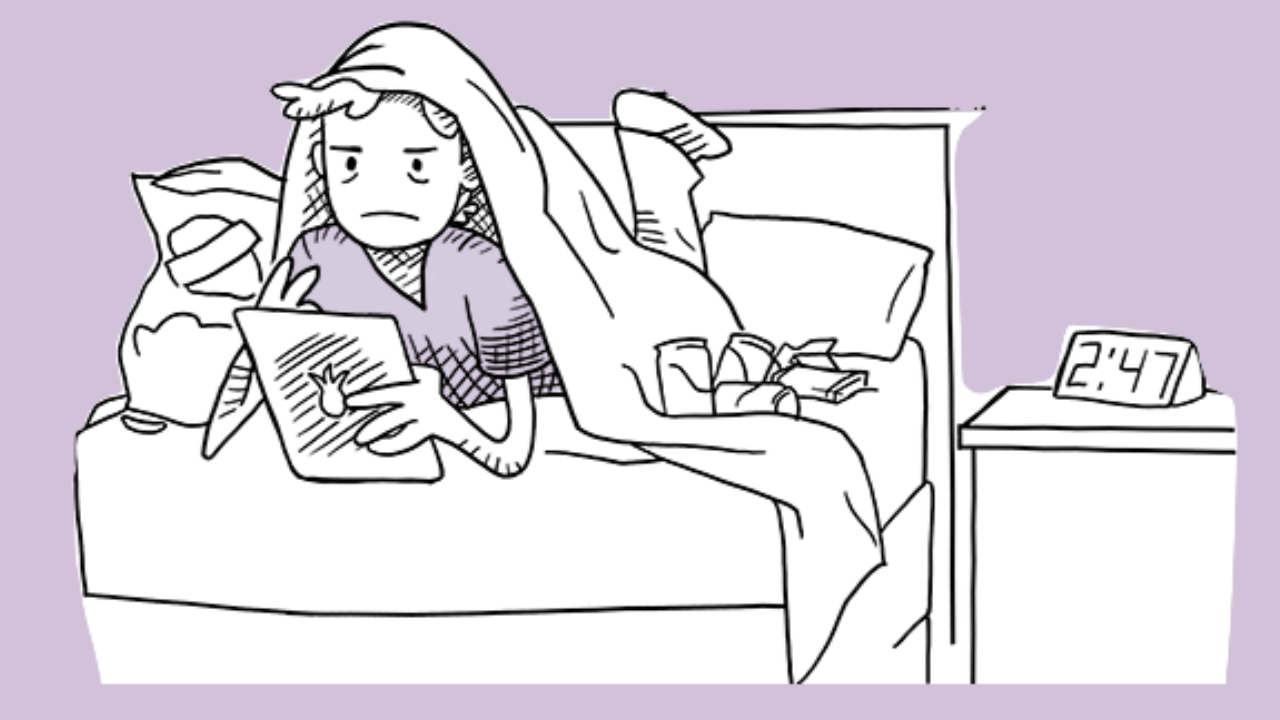
What To Do About a "Lazy" Teenager
When your teen seems checked out, it is easy to swing between panic, anger, and helplessness. In this video, we talk about how to stop calling it laziness, get steadier yourself, set clearer limits, and rebuild the kind of connection that gives you real influence.
FAQs
Need help sorting through all of this? These are some of the questions we hear most often from parents dealing with school stress, motivation issues, and executive function struggles.
If your teen wants to do well but struggles with getting started, organizing, remembering, shifting tasks, tracking time, or following through, executive function may be part of the picture. We usually encourage parents to look for patterns, rule out learning or attention issues, and focus on support before labeling the problem as laziness.
We usually do not recommend forcing one specific activity. We do think it is healthy for kids and teens to do something outside of school, especially something social, creative, or active. The better question is why your child is resisting and what kind of activity might actually fit.
Enough to create structure and safety, but not so much that homework becomes the whole relationship. If homework is taking hours, causing constant conflict, or requiring relentless supervision, it may be time to look for deeper learning, attention, emotional, or school-fit issues.
That may be disappointing, but it is not the same thing as failure. Some teens do better with community college, a gap year, work experience, or a slower transition into adulthood. A thoughtful alternative path is often much healthier than forcing a launch your teen is not ready for.
Start by getting steadier yourself. You usually cannot force an older teen to care, but you can increase your influence by strengthening connection, setting clear boundaries, and putting natural consequences back where they belong. Motivation often grows better from support, structure, and purpose than from criticism.
Need Help with your Teen?
School problems are rarely just school problems. By the time families reach out to us, there are usually layers underneath the surface such as anxiety, low self-esteem, learning differences, executive function challenges, parent-child conflict, or a teen who has quietly stopped believing they can succeed.
At Teen Therapy Center, we help children, teens, and parents make sense of what is really going on. Whether your child is overwhelmed, avoidant, disorganized, unmotivated, or entering adulthood in a way that feels shaky, we can help your family slow things down, reconnect, and find a healthier path forward.